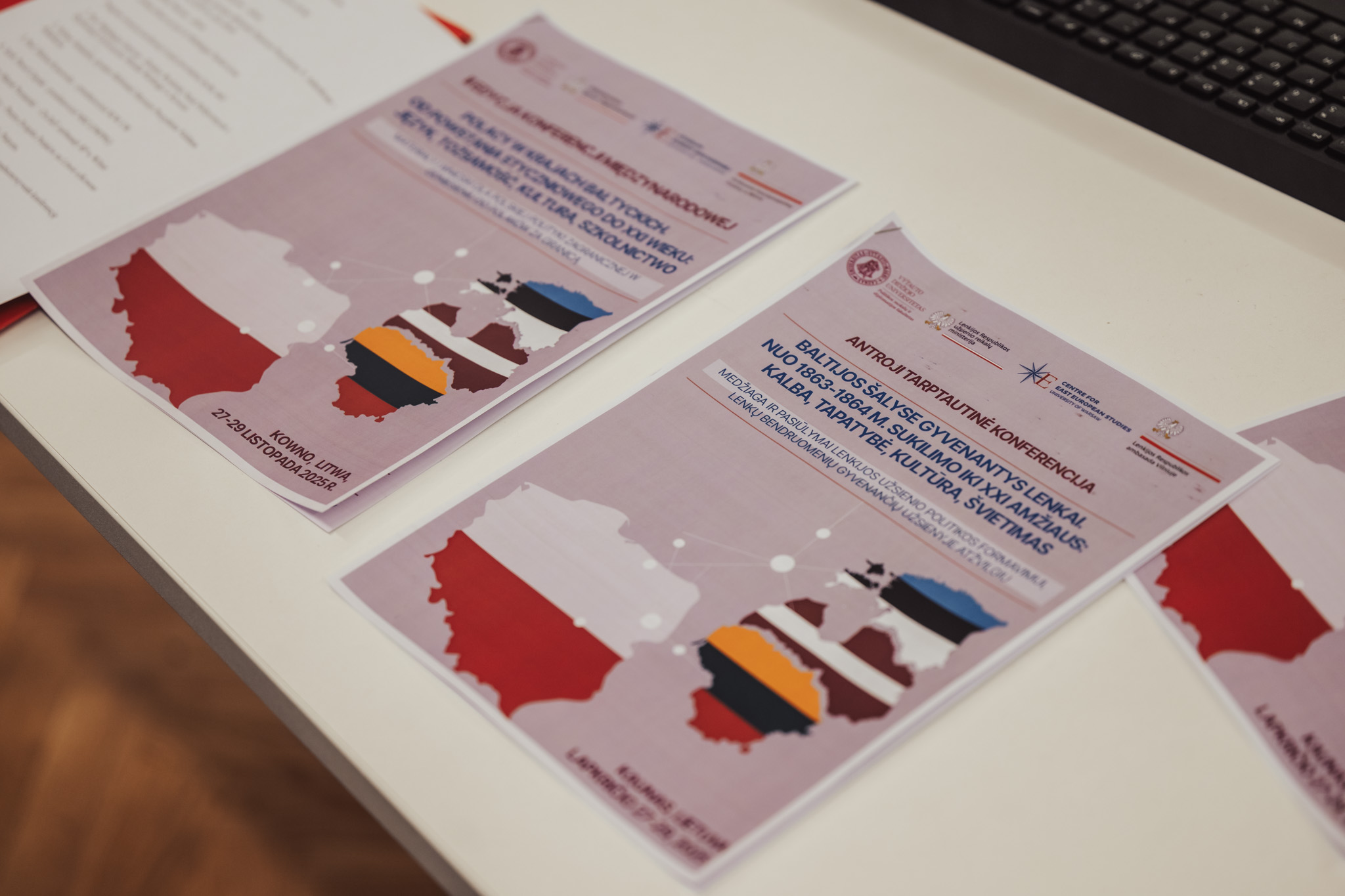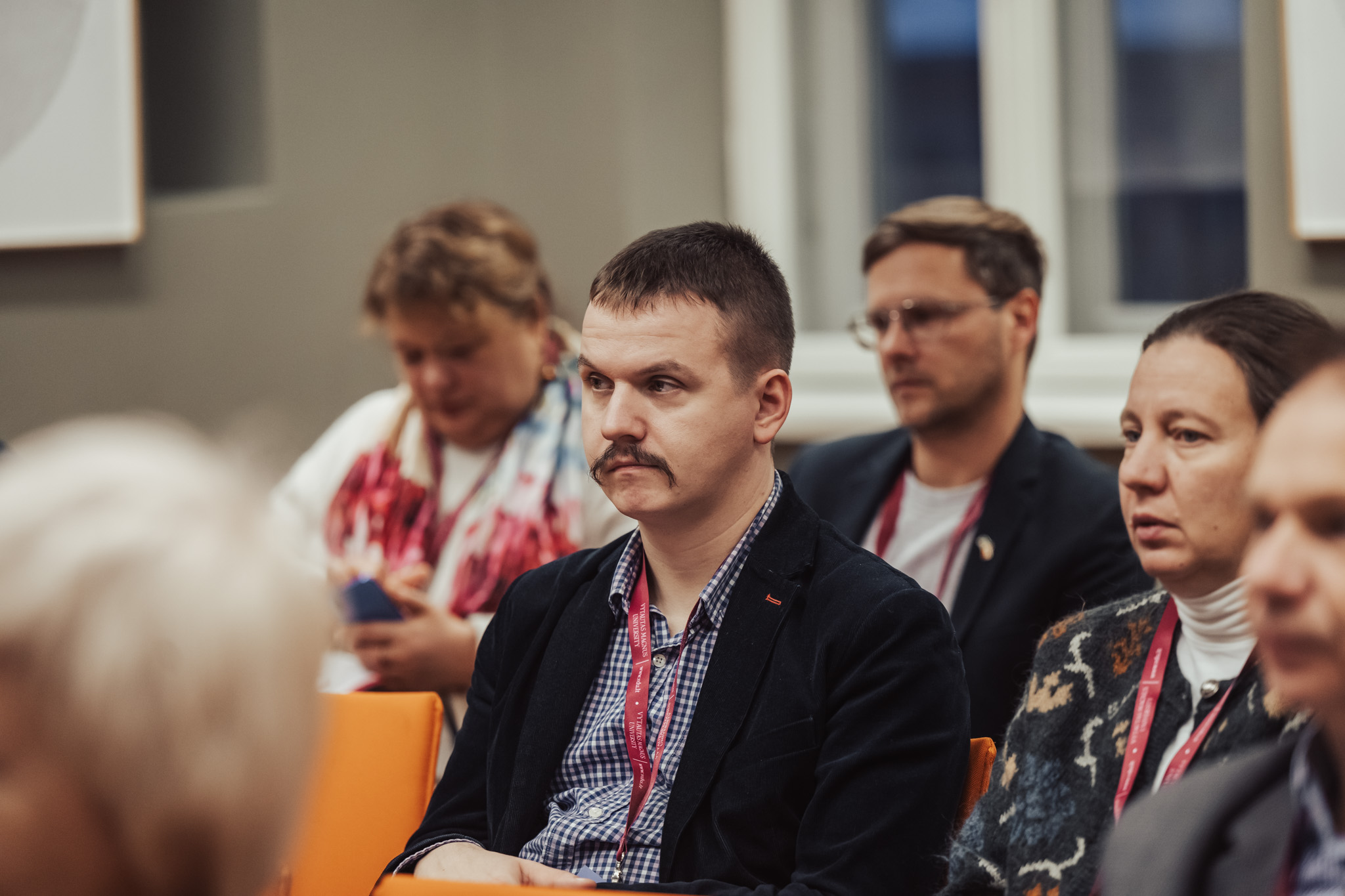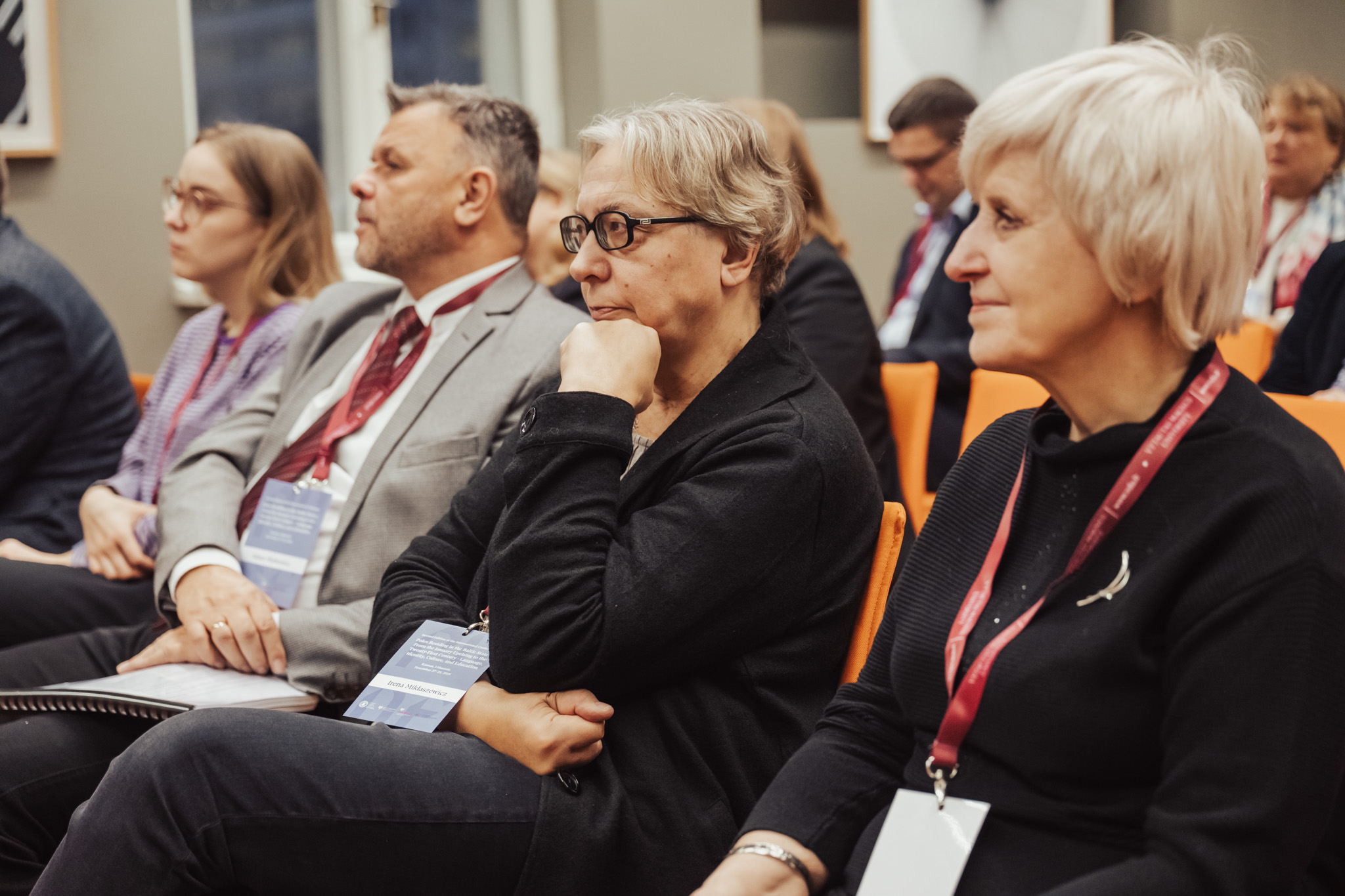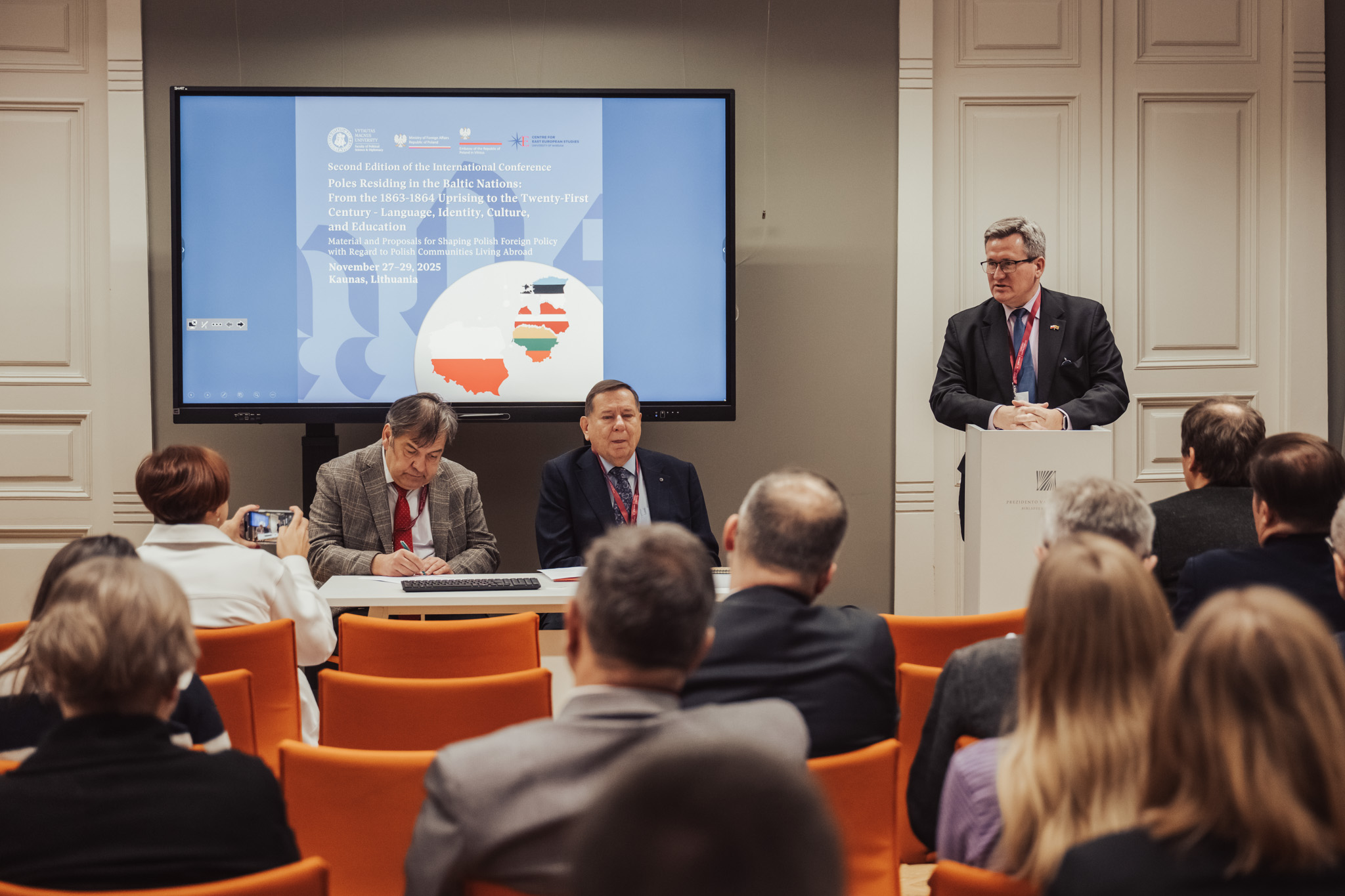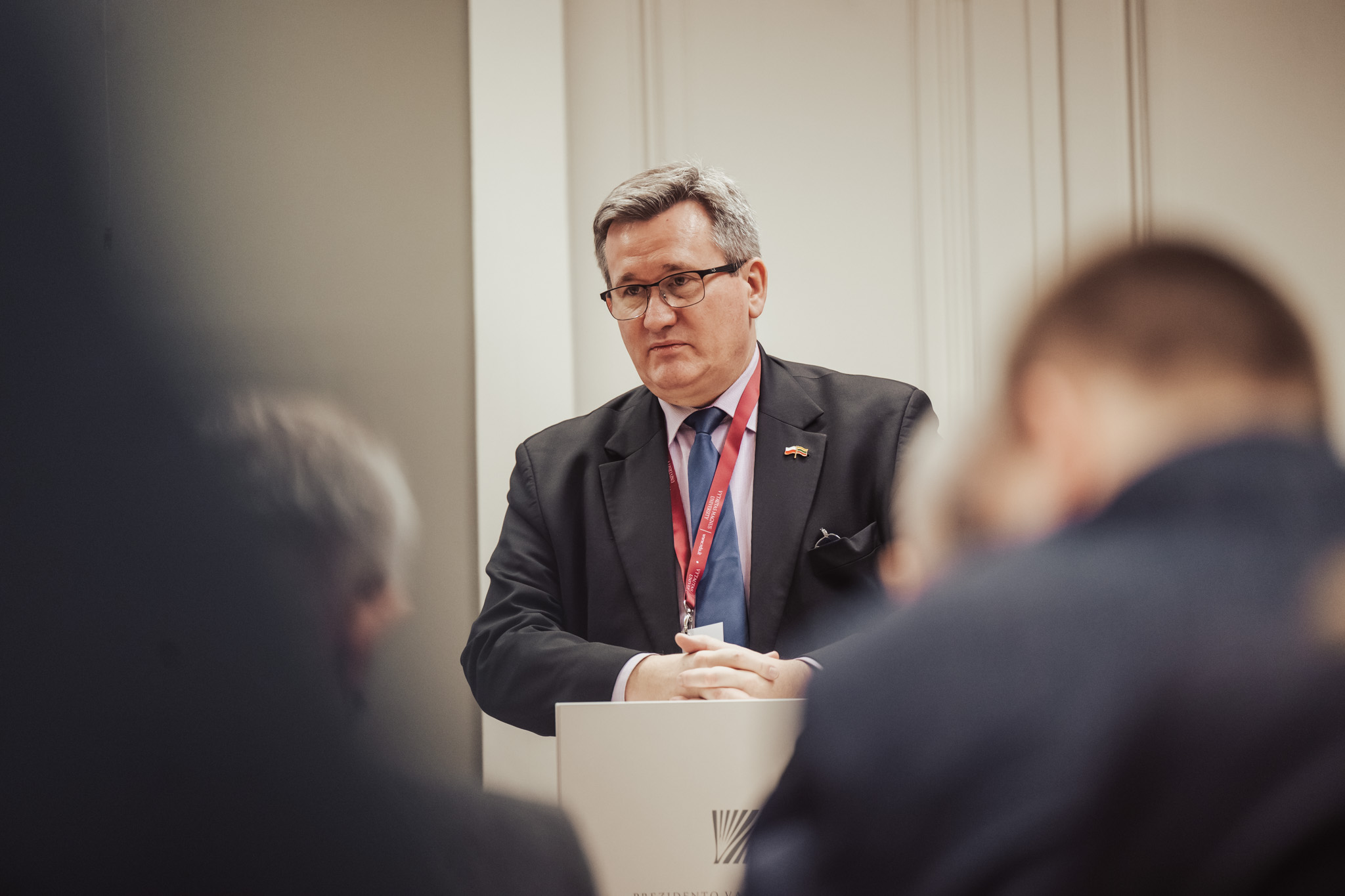


II-nd international conference “Poles Living in the Baltic States. From the 1863-1864 uprising to the 21st century: language, identity, culture, education”.
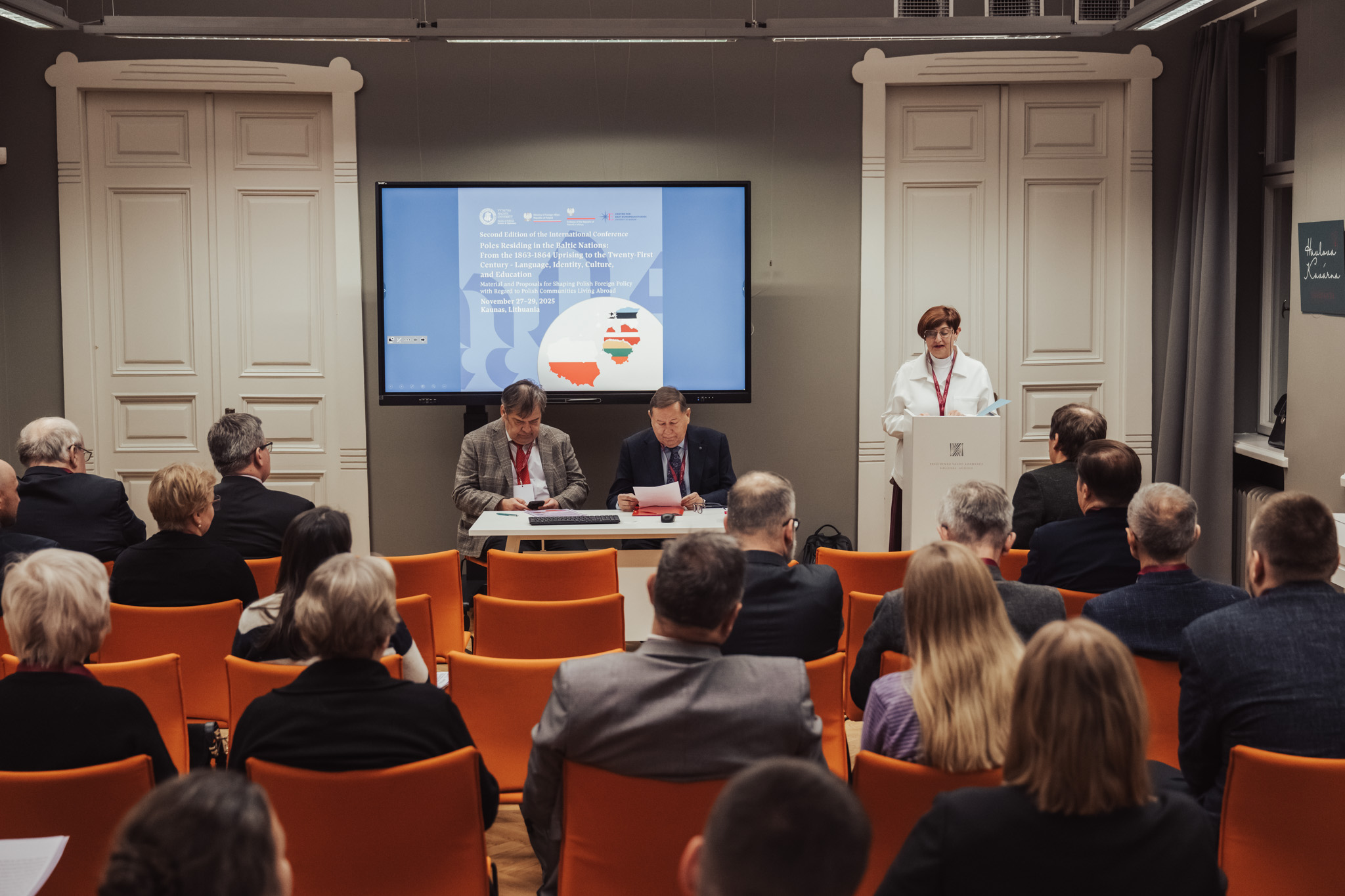
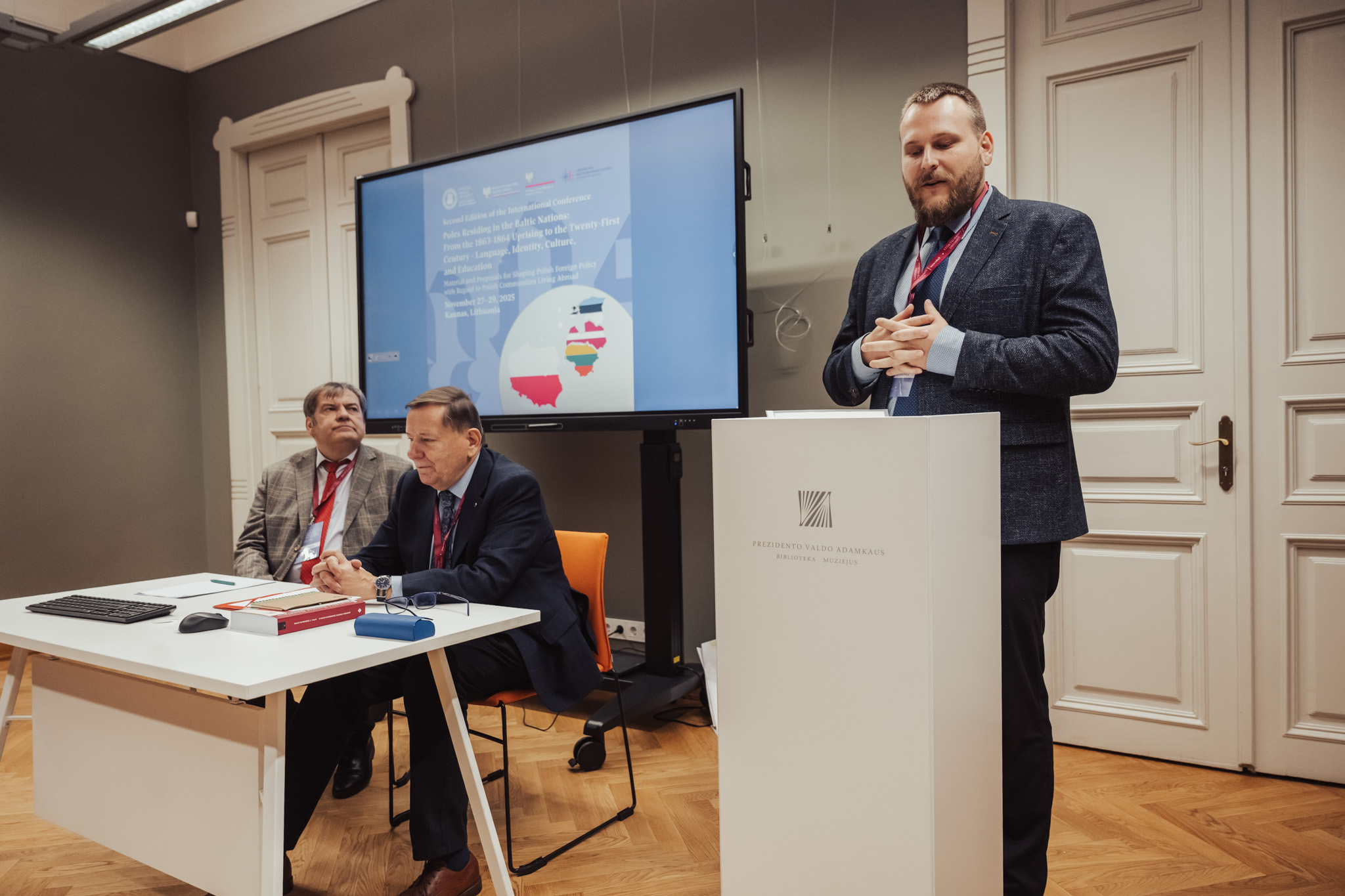
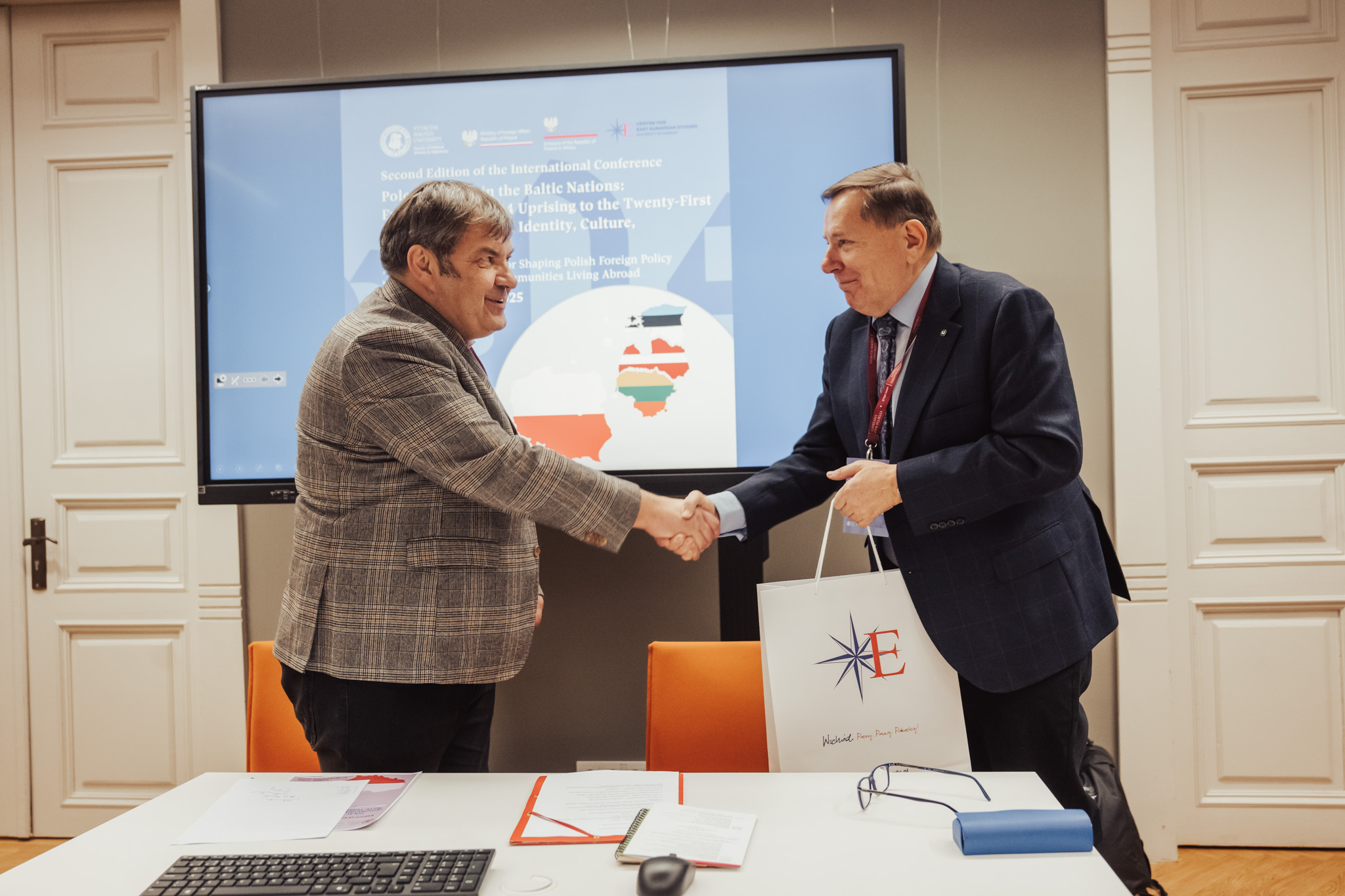
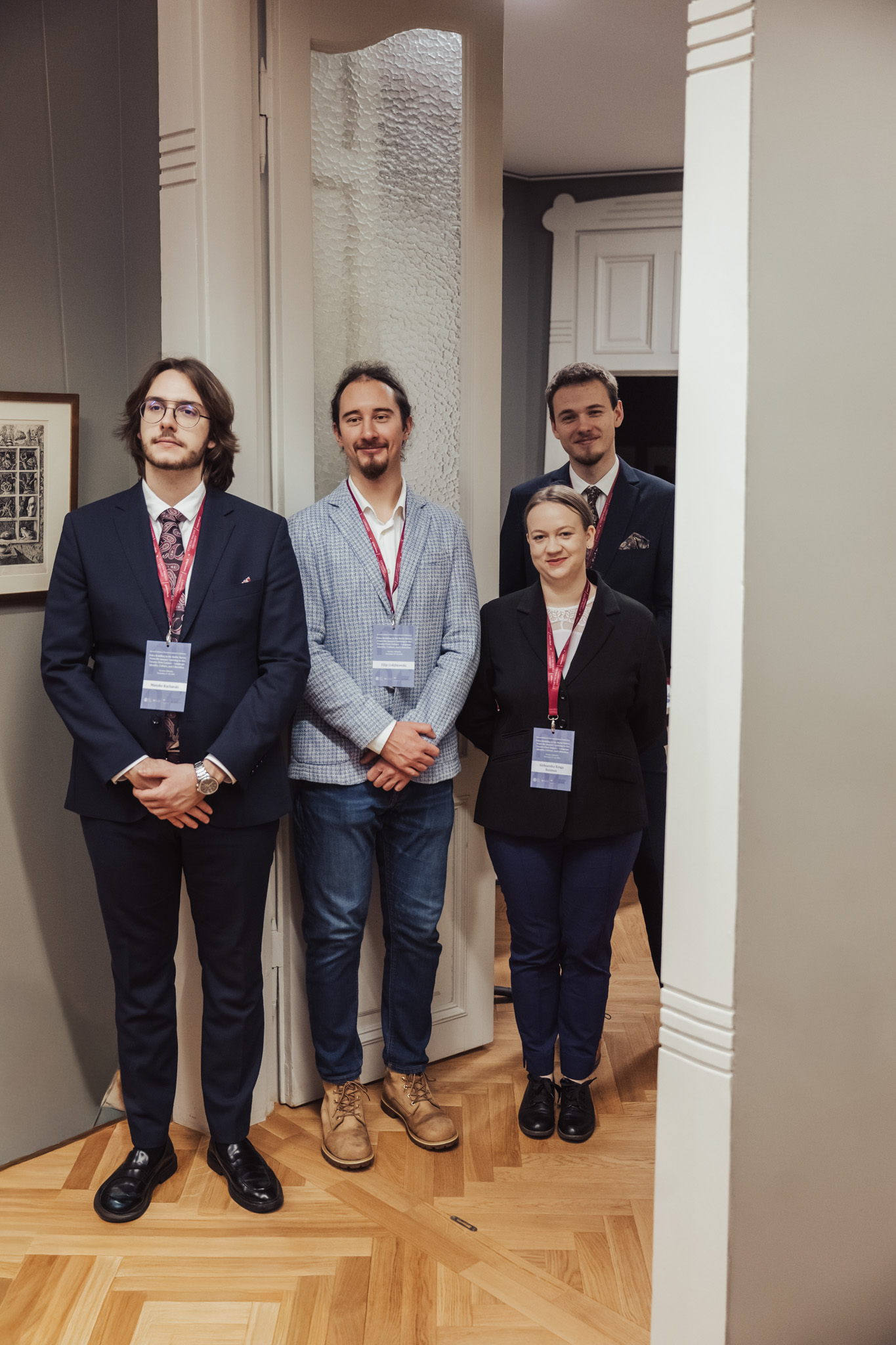
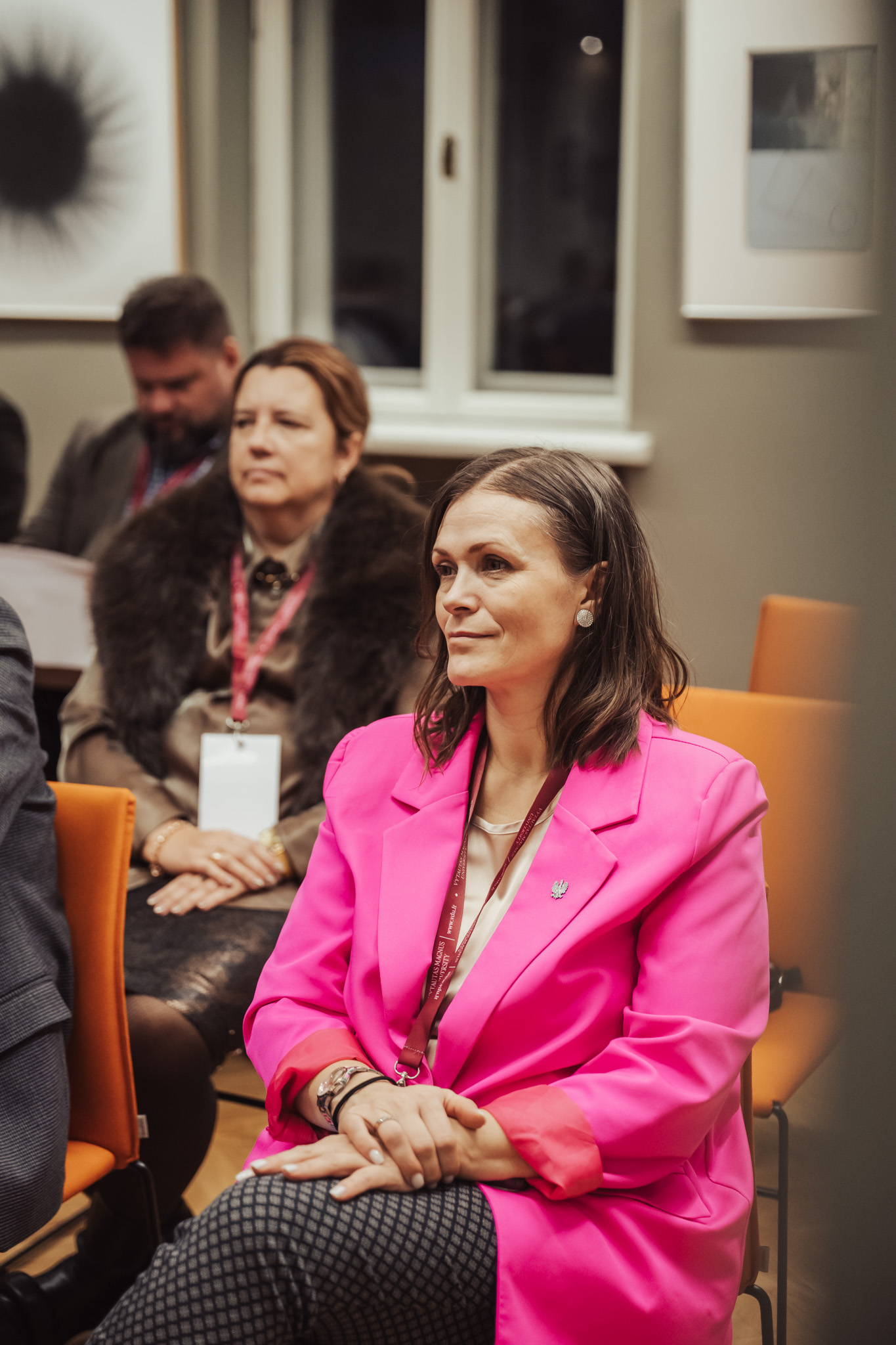
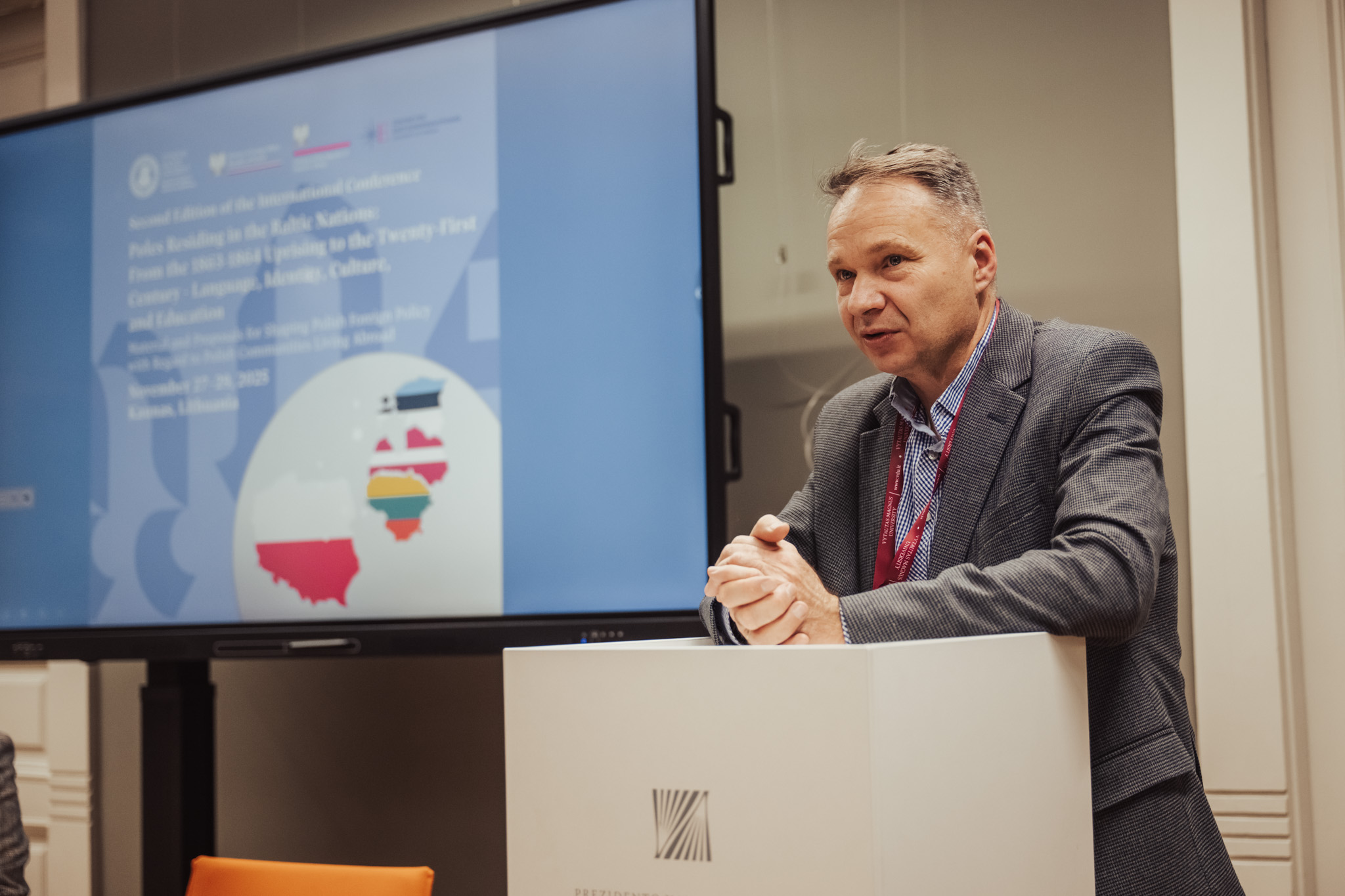
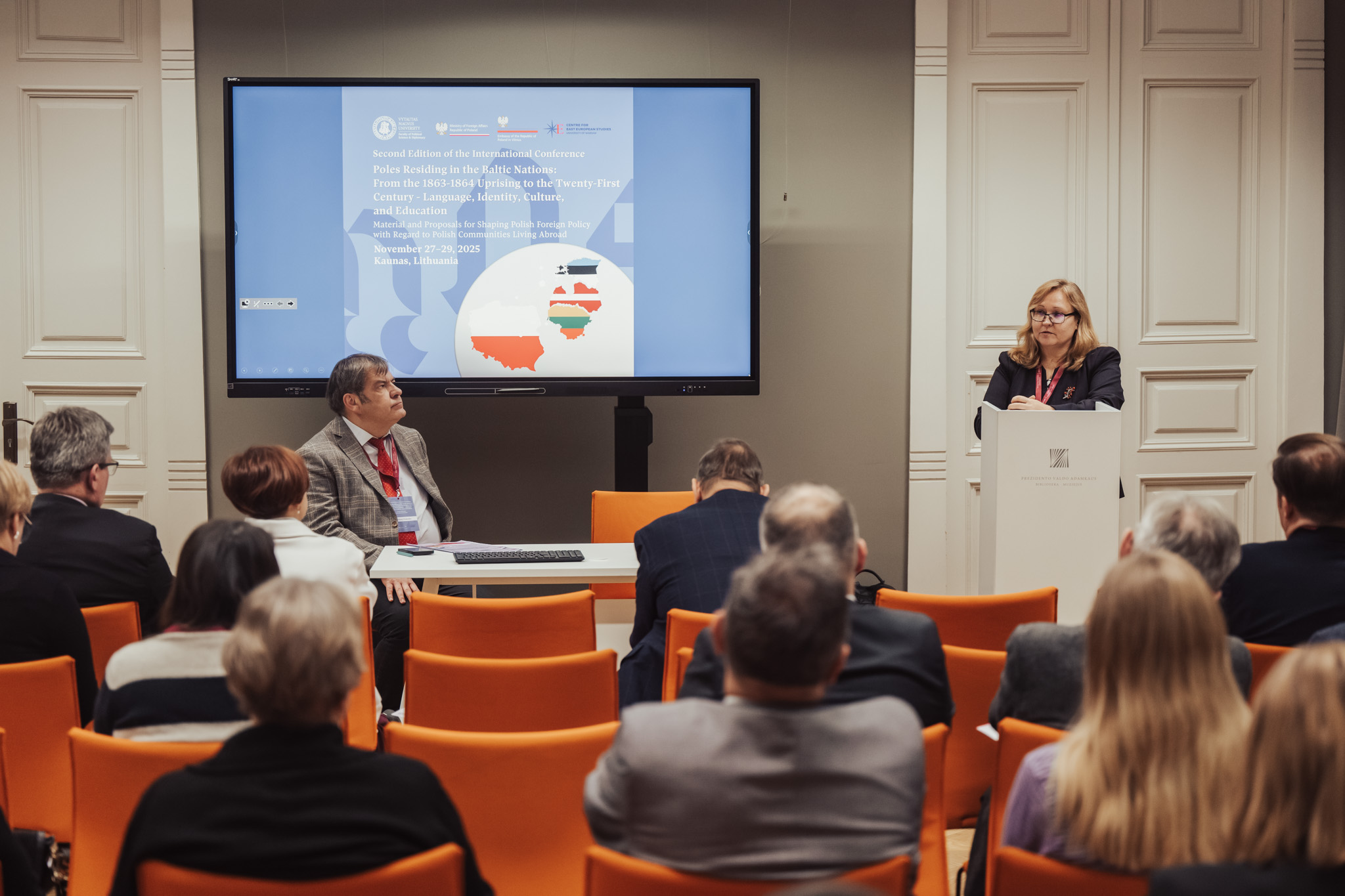
The Faculty of Political Science and Diplomacy at Vytautas Magnus University, in cooperation with the Ministry of Foreign Affairs of the Republic of Poland, the Center for Eastern European Studies at the University of Warsaw, and the Embassy of the Republic of Poland in Vilnius, organized the second international conference Poles Living in the Baltic States. From the 1863-1864 uprising to the 21st century: language, identity, culture, education.
“The international conference is dedicated to formulating recommendations for the development of Polish foreign policy, especially in the area concerning Poles living abroad. The conference focuses on issues of language, identity, culture, and education of Poles living in the Baltic states, examining them from a historical context to the present day,” says VDU Associate Professor Dr. Andžej Pukšto. The conference will begin on Thursday, November 27, at the Library-Museum of President Valdas Adamkus (S. Daukanto g. 25, Kaunas).
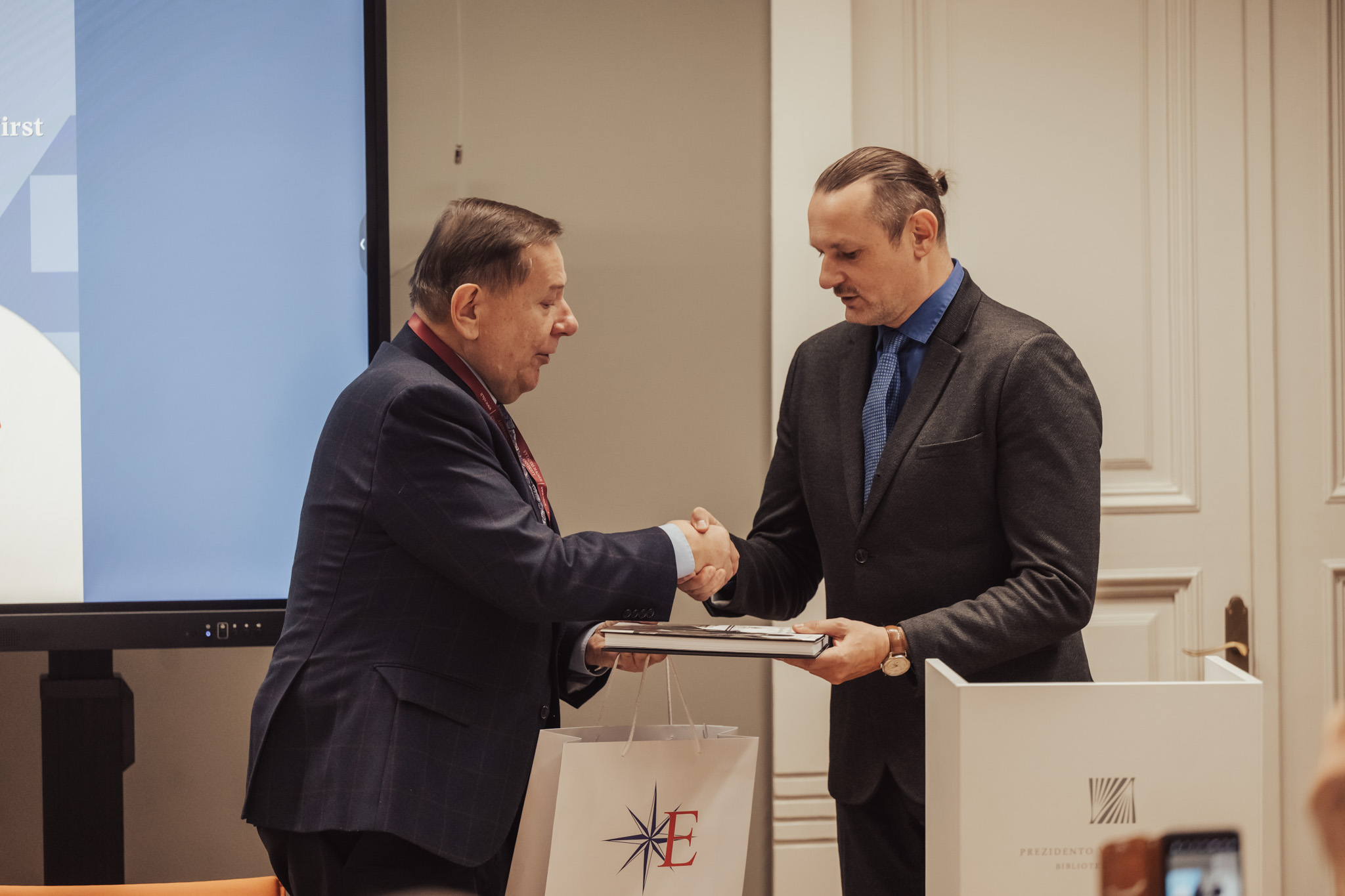
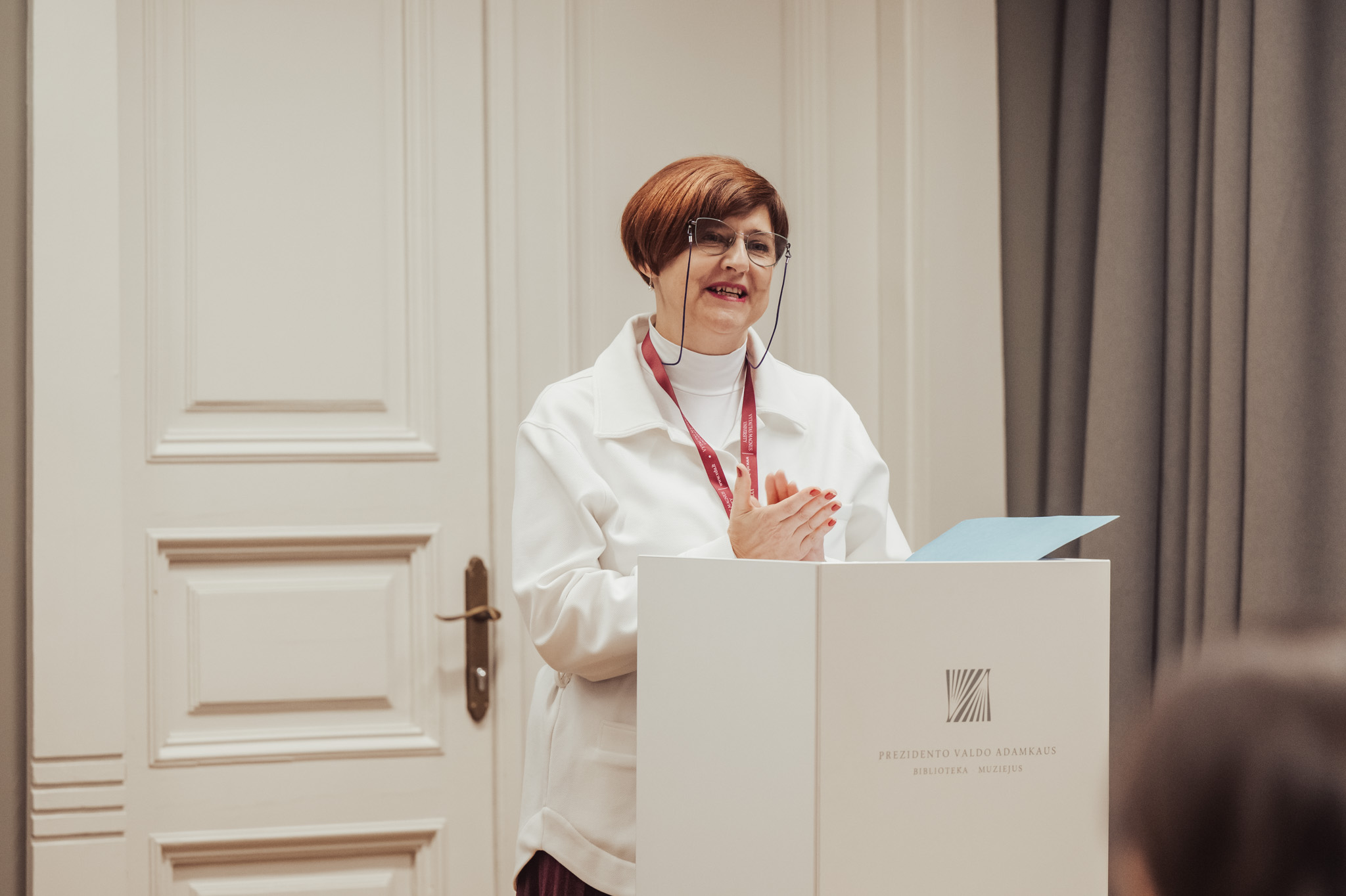
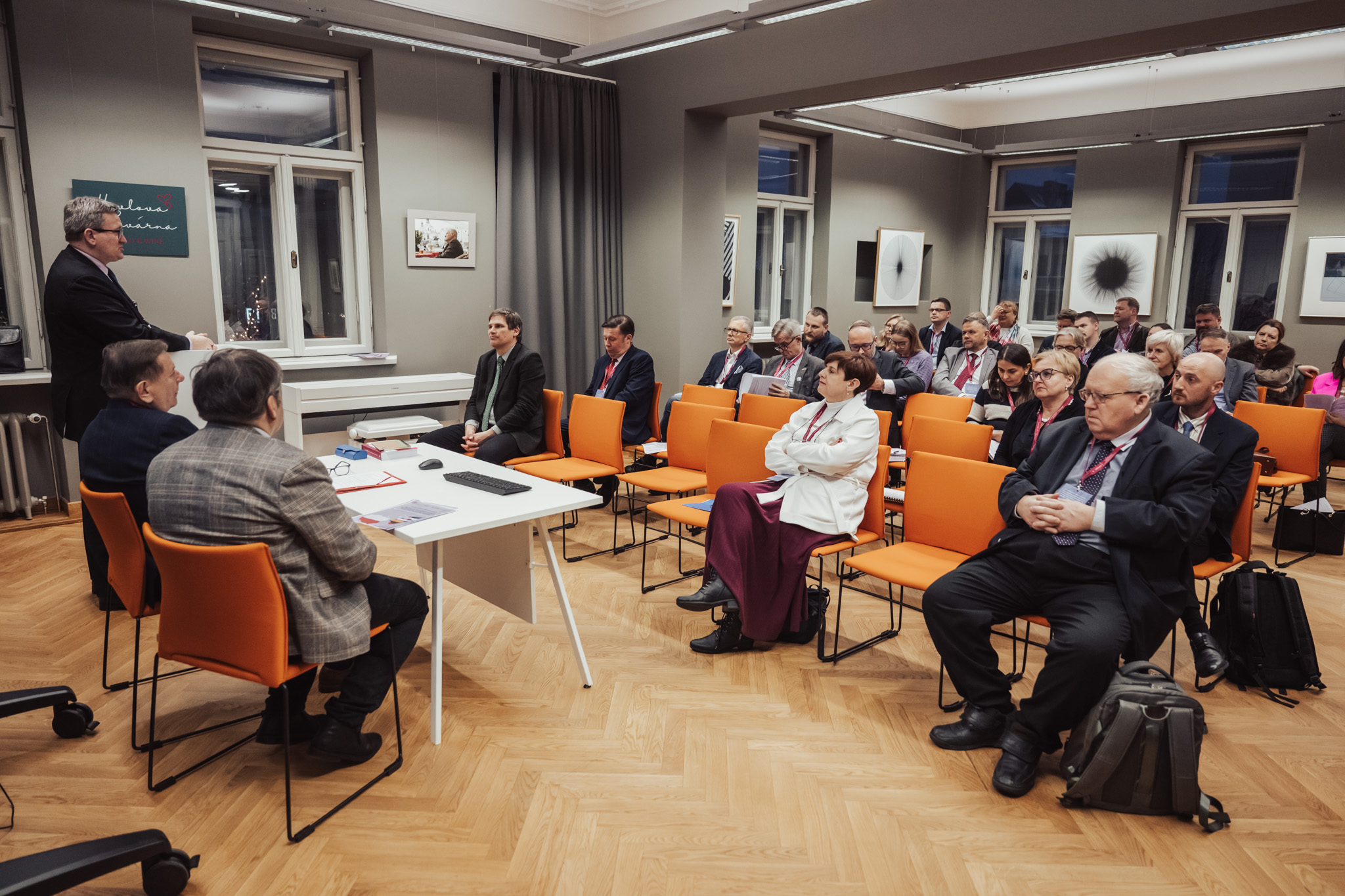
On Thursday, November 27, the conference has began at the Valdas Adamkus Library-Museum (S. Daukanto g. 25, Kaunas). After the opening of the conference, there will be an introductory session, followed by a visit to the Valdas Adamkus Library and Museum.
On Friday, November 28, there were four thematic sessions (V. Putvinskio g. 23). The first session will be devoted to historical topics, covering the views of Polish scholars and landowners on national movements. The second session will delve into Polish education, while the third session will analyze the political representation of the Polish national minority, identity, and community issues. After the sessions, participants will be invited to lay flowers at the monument to Antanas Mackevičius, and there will also be an excursion entitled “Traces of Poles in Kaunas.”
On Saturday, November 29, the fifth session took place (V. Putvinskio g. 23), during which the activities of Polish associations, the teaching of the Polish language, and demographic changes will be discussed.
The conference languages were Polish and English.